The Complex World of Jueteng: An In-Depth Look
Understanding Jueteng: A Cultural Phenomenon
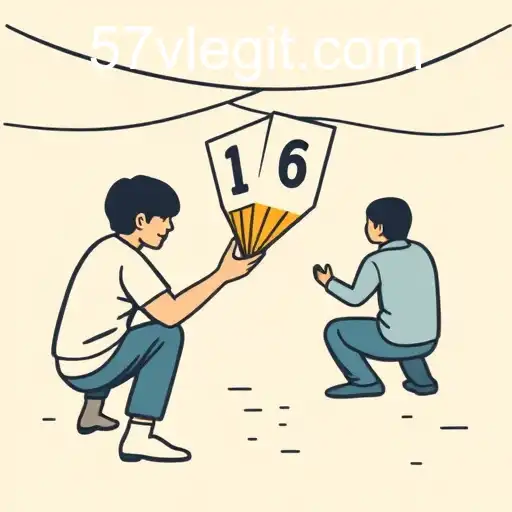
Jueteng, an illegal numbers game, has been an enduring part of Filipino culture. Stemming from its roots in the Spanish colonial era, its appeal has persisted through generations, evolving into a compelling yet controversial presence in contemporary society. This gambling activity, although outlawed, is pervasive, involving bettors, bet collectors, and a draw master.
The Mechanics of Jueteng: How It Works
At the heart of Jueteng lies a simple concept: small-town lottery betting driven by hope and the allure of easy wealth. Bettors choose a two-number combination ranging from 1 to 37. Regular draws determine the winners, and the reward is typically 30 times the original bet. This seemingly straightforward process, however, conceals a complex network of individuals who manage its operations, from collectors known as "kubradors" to financiers called "cabos."
The Cultural Significance of Jueteng
In many communities, Jueteng is more than just a game; it is deeply ingrained in the socio-cultural fabric. It provides a communal activity, a shared experience for many Filipinos facing economic hardships. Jueteng's pervasiveness can be partly attributed to the limited economic opportunities in rural areas, where it acts as a source of livelihood for many involved in the hierarchy of operations.
The Financial Implications: A Double-Edged Sword
Despite its illegality, Jueteng is a substantial economic engine in the Philippines. It offers financial benefits to many who are involved, often serving as a crucial financial supplement for low-income families. However, the winnings come with high risks, stemming from its illegal status and the presence of organized crime elements who often exploit the system for profit.
57v: The Code of Discretion?
The code "57v" represents the cryptic language often used within the Jueteng circles to maintain an aura of discretion among participants. This secretive communication is crucial for the game’s survival, shielding its network from legal repercussions. Such codes form an unspoken bond of trust, enabling Jueteng to flourish despite persistent law enforcement efforts to dismantle it.
The Legal Landscape and Law Enforcement Efforts
Combating Jueteng has been a challenging task for authorities. Despite stringent laws and recurrent crackdowns, the game’s adaptability ensures its persistence. The complex web of corruption contributes significantly to the resilience of Jueteng, often implicating local officials and law enforcers, who might benefit monetarily from its operations.
Jueteng's Social Impact: A Broader Reflection
The widespread influence of Jueteng highlights broader societal issues such as poverty, corruption, and the quest for economic stability. It mirrors the challenges faced by communities grappling with inadequate social security systems and the allure of a quick financial fix. Simultaneously, it reflects systemic challenges in governance, with conflicted stances towards eradicating an activity that many officials benefit from clandestinely.
The Uncertain Future of Jueteng
While various governments have pledged to eliminate Jueteng, its future remains uncertain. The deep-rooted cultural and economic dimensions make it a persistent challenge. In seeking to address the issue, the Philippines faces a daunting task of balancing enforcement with empathy towards communities reliant on this gambling activity. Addressing the underlying socio-economic conditions remains key to potentially curtailing Jueteng's grip on Filipino society.